Helping People And Businesses Across California









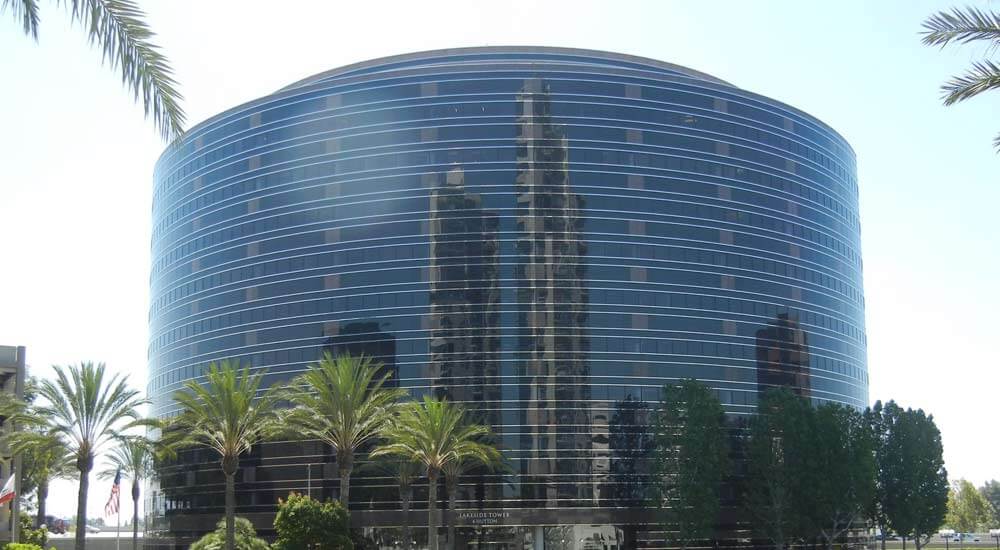
Exterior Photo of Firm's Office
A Law Firm That Understands The Needs Of A Modern Business
Hart Kienle Pentecost’s skilled business and real estate attorneys consistently deliver wide-ranging legal services to corporations, limited liability companies, partnerships and proprietors of all sizes. We understand your business, the full scope of your legal needs, and the importance of being both cost-effective and results-oriented.


Learn What Clients
Say About Us

“Andrew has Given me More Value For One Hour of His Time Than Others Couldn’t Match With a Day.
5.0 stars
August 6, 2022
Andrew was referred to me by another attorney that told me he was very good and very reasonable. I believe they were right. :)”
5.0 stars
August 6, 2022
Andrew was referred to me by another attorney that told me he was very good and very reasonable. I believe they were right. :)”
“HKP Obtains Trust Litigation Victory For Client
Hart Kienle Pentecost shareholder and managing partner, Andrew Kienle, recently prevailed in a trust litigation trial in San Diego Superior Court. In the case, HKP represented a beneficiary of his mother’s trust suing the trustee for mismanagement, breach of fiduciary duty and use of trust funds for his own benefit. After a 4-day bench trial, the Court ruled in favor of HKP’s client, awarding monetary damages which included a surcharge and attorneys’ fees. According to the client: Great job Andrew…you hit it out of the park on this one.”
Hart Kienle Pentecost shareholder and managing partner, Andrew Kienle, recently prevailed in a trust litigation trial in San Diego Superior Court. In the case, HKP represented a beneficiary of his mother’s trust suing the trustee for mismanagement, breach of fiduciary duty and use of trust funds for his own benefit. After a 4-day bench trial, the Court ruled in favor of HKP’s client, awarding monetary damages which included a surcharge and attorneys’ fees. According to the client: Great job Andrew…you hit it out of the park on this one.”
“As a CPA firm here in Orange County our real estate clients have come to depend on Hart Kienle Pentecost‘s high quality of legal care especially when it comes to litigation matters. Their entire team of attorneys go the extra mile to protect our clients whenever they are presented with challenging legal matters which have become so pervasive in the last few years. This firm seriously rocks for their clients.”
– Brad H., CPA
– Brad H., CPA
“I can’t thank you enough for your guidance, support and kindness shown to both myself and my family members during this difficult time. I am so very grateful I was given your name to contact when I was at my wits end in knowing what to do. You gave me hope for logic and solution during a time when it seemed there was not much to be found.”
– Donna M. (Review of Shareholder/Managing Partner Andrew Kienle on a Trust Litigation Matter)
– Donna M. (Review of Shareholder/Managing Partner Andrew Kienle on a Trust Litigation Matter)
“We at J & H Asset Property Mgt. have developed a great partnership with Hart Kienle Pentecost and their dedicated staff over the years. We appreciate their attention to detail and approach in resolving complicated legal matters. Their team is attentive, responsive and dedicated. We entrust Hart Kienle Pentecost with legal assistance and advice to move us forward in this litigious society, keeping the best interests of our clients at heart.”
– Thomas P., Property Management VP
– Thomas P., Property Management VP
“Thank you to this professional lawyer who provided the knowledge and compassion in dealing with my case. All areas of communications, were seamless and responsive. I was able to reach our lawyer via phone, text and email, who answered all my questions and provide sound advice. The knowledge, integrity and responsiveness provided the confidence I had in working with our lawyer and a successful outcome. Andrew was compassionate, determined, good at explaining, knowledgeable, organized, professional, reliable, responsive, trustworthy, won my case!”
– Sherri D. (Review of Shareholder/Managing Partner Andrew Kienle on a trust administration matter)
– Sherri D. (Review of Shareholder/Managing Partner Andrew Kienle on a trust administration matter)
“The best decision I made was to reach out to you by association your network. I’m convinced that the law profession breeds some of the finest minds but I’m really privileged to know and be represented by you. We your clients are all the better for it. So once again I cannot thank you enough for all that you guys have done for me and family.”
– Kofi E. (Review of Partner Chris Elliott on a real estate/insurance matter)
– Kofi E. (Review of Partner Chris Elliott on a real estate/insurance matter)
Representing Owners And Managers Of Manufactured Housing Communities
We have been widely recognized as the premier law firm to assist manufactured housing communities, mobile home parks and RV parks for more than 40 years. Hart Kienle Pentecost represents well over 900 parks and communities statewide in California. Our park and community owner clients range from single asset owners to national REITS. For mobile home new matters, please click here for more information.
Providing Trust And Estate Litigation Expertise
Proper estate planning can help minimize the risk of probate and estate litigation and an experienced and skilled attorney can make all the difference in reaching a favorable resolution. If you are a trustee, beneficiary, or heir, Hart Kienle Pentecost can help enforce your rights and resolve any trust and estate disputes that arise. We have extensive experience handling trust litigation matters in California courts.


Recent News
& Blogs
What’s next for California’s commercial real estate sector?
With the rise of remote work, the rise of interest rates and the destabilization of the housing...
How uneven workloads can cause partnership conflicts
Different factors can lead to partnership disputes, including uneven workloads. If a partner...
Our
Video
Anne Moriya with attorneys Andrew C. Kienle and John H. Pentecost